 aamirsohailburki1@gmail.com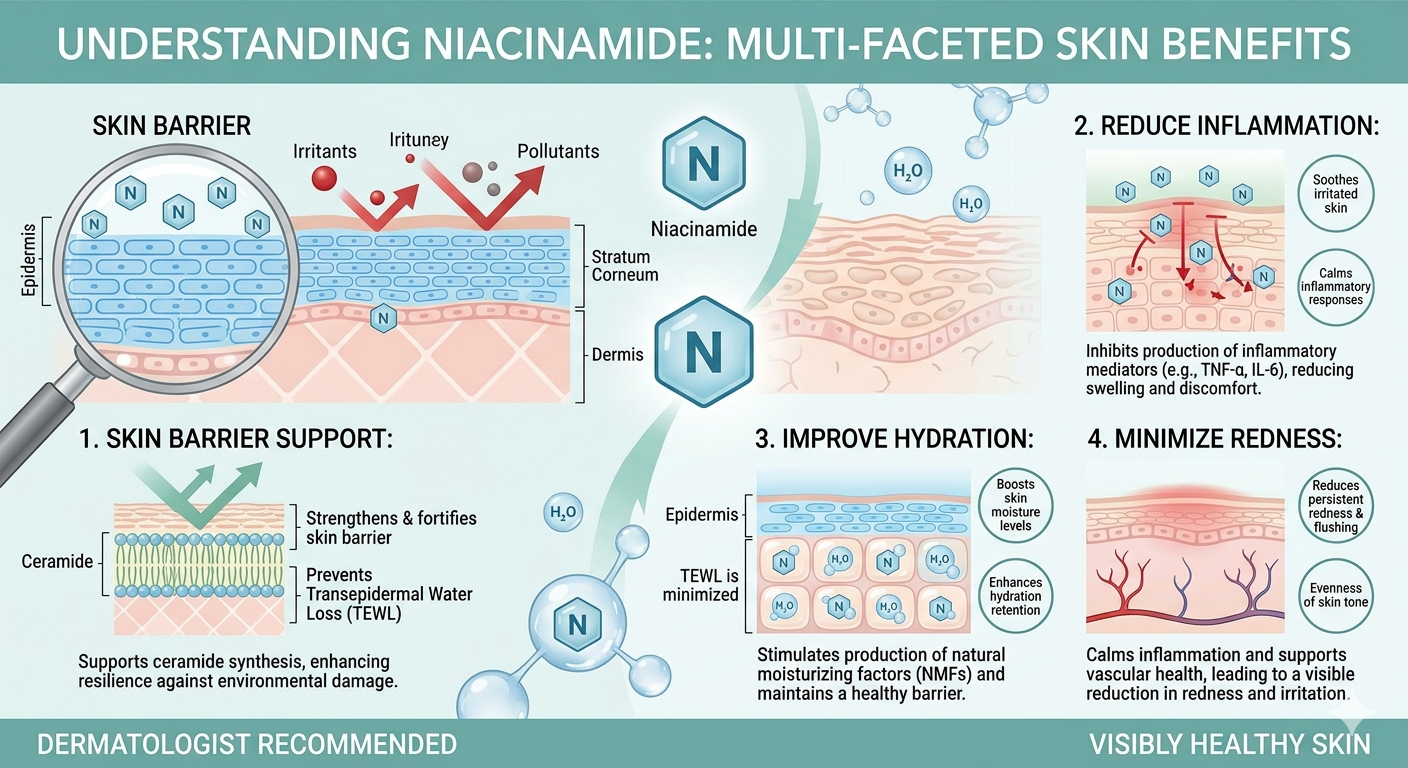
Introduction
Few skincare ingredients have achieved the widespread popularity of niacinamide. Once primarily discussed in dermatology journals and scientific conferences, niacinamide has become a staple ingredient in everything from budget-friendly drugstore serums to luxury anti-aging formulations.
But does niacinamide actually deserve its reputation?
Unlike many trendy skincare ingredients that rise to fame through marketing rather than science, niacinamide stands out because its benefits are supported by a substantial body of clinical research. Studies have investigated its effects on acne, skin aging, hyperpigmentation, inflammation, skin barrier function, and even rosacea-related redness.
What makes niacinamide particularly interesting is its versatility. Most skincare ingredients target one or two concerns. Niacinamide appears capable of influencing multiple biological processes simultaneously, making it one of the few ingredients that can benefit a wide range of skin types.
Many people wonder whether niacinamide is truly as effective as social media claims suggest. The answer is both yes and no. While research supports many of its benefits, some popular claims have been exaggerated beyond what clinical evidence currently demonstrates.
In this article, we’ll examine the science behind niacinamide, review major clinical studies, explore its benefits for acne, aging, and rosacea, and explain how to use it effectively based on current dermatological evidence.
Understanding the Science Behind Niacinamide
Niacinamide, also known as nicotinamide, is a water-soluble form of vitamin B3. Unlike exfoliating acids or retinoids, niacinamide does not primarily work by removing skin cells or accelerating turnover. Instead, it influences numerous cellular functions that support healthier skin.
At the biological level, niacinamide helps increase levels of nicotinamide adenine dinucleotide (NAD+), a molecule involved in cellular energy production and repair. As we age, NAD+ levels naturally decline, which may contribute to reduced cellular function and increased susceptibility to environmental damage.
Niacinamide also strengthens the skin barrier by increasing production of ceramides, fatty acids, and cholesterol. These substances form the protective outer layer of the skin that helps prevent water loss and blocks environmental irritants.
Another key mechanism involves inflammation control. Niacinamide appears to reduce inflammatory signaling pathways that contribute to acne, redness, and skin sensitivity.
One landmark review often cited in dermatology literature is:
Study Citation
Title: “The Role of Nicotinamide in Dermatology”
Authors and Year: Gehring, 2004
Journal: Journal of Cosmetic Dermatology
Link: https://pubmed.ncbi.nlm.nih.gov/17147561/
Finding: Niacinamide demonstrated benefits for skin barrier function, inflammation reduction, and photoaging management.
Researchers have also found that niacinamide influences sebum production, pigmentation pathways, oxidative stress, and skin immune responses.
What makes niacinamide unique is that it addresses several underlying causes of skin problems rather than targeting only a single pathway. This broad mechanism helps explain why it appears in products designed for acne, aging, rosacea, dryness, and pigmentation concerns.
However, despite its versatility, niacinamide is not a miracle ingredient. Its benefits are generally moderate rather than dramatic, and consistent use over several weeks is usually necessary before visible improvements occur.
Deep Dive Into the Benefits
Niacinamide for Acne Control
One of niacinamide’s most researched applications is acne management.
The primary claim is that niacinamide reduces inflammation, regulates oil production, and helps minimize acne lesions.
Research largely supports these claims.
Study Citation
Title: “Topical Nicotinamide Compared with Clindamycin Gel in the Treatment of Inflammatory Acne Vulgaris”
Authors and Year: Shalita et al., 1995
Journal: International Journal of Dermatology
Link: https://pubmed.ncbi.nlm.nih.gov/7522610/
Finding: A 4% niacinamide gel performed comparably to topical clindamycin for inflammatory acne lesions.
This finding attracted significant attention because it suggested that niacinamide could provide meaningful acne improvement without contributing to antibiotic resistance.
Researchers believe niacinamide works through several mechanisms:
It reduces inflammatory mediators associated with acne, helps normalize sebum production, and strengthens the skin barrier, reducing irritation that can worsen breakouts.
Expected timeline for results:
Most users begin noticing improvements within 4 to 8 weeks, with more significant reductions in inflammatory lesions appearing after approximately 12 weeks.
While niacinamide may not replace prescription acne treatments for severe acne, evidence suggests it can be an effective supportive ingredient.
Niacinamide for Anti-Aging and Wrinkles
Niacinamide is frequently promoted as an anti-aging ingredient.
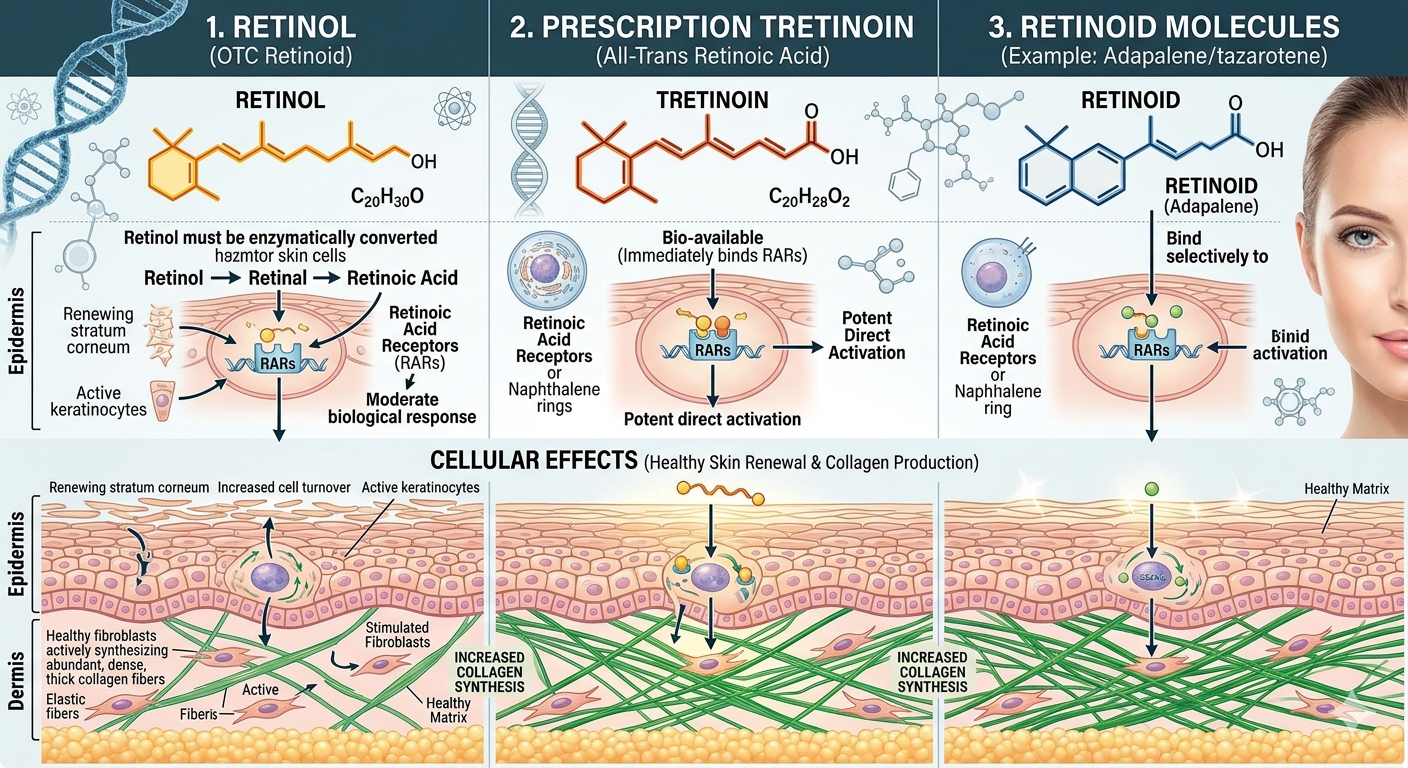
Unlike retinoids, which primarily stimulate cell turnover and collagen production, niacinamide focuses on improving barrier function, reducing oxidative stress, and supporting skin repair.
Study Citation
Title: “Niacinamide Improves Appearance of Aging Facial Skin”
Authors and Year: Bissett et al., 2005
Journal: Dermatologic Surgery
Link: https://pubmed.ncbi.nlm.nih.gov/16029679/
Finding: Topical niacinamide improved fine lines, wrinkles, elasticity, hyperpigmentation, and skin texture after 12 weeks.
The study remains one of the strongest pieces of evidence supporting niacinamide’s anti-aging benefits.
Participants experienced measurable improvements in several signs of aging, including skin tone uniformity and wrinkle appearance.
Expected timeline:
Visible improvements typically emerge between 8 and 12 weeks, with continued benefits developing over several months.
One important nuance is that niacinamide generally produces milder anti-aging effects than prescription retinoids. However, it also causes significantly less irritation, making it suitable for sensitive skin.
Niacinamide for Rosacea and Redness
Rosacea is characterized by chronic inflammation, redness, sensitivity, and impaired skin barrier function.
Since niacinamide supports barrier repair and reduces inflammation, researchers have investigated whether it may benefit rosacea-prone skin.
Study Citation
Title: “The Effect of Topical Nicotinamide on Skin Barrier Function”
Authors and Year: Draelos et al., 2005
Journal: Cutis
Link: https://pubmed.ncbi.nlm.nih.gov/16167417/
Finding: Niacinamide improved skin barrier integrity and reduced irritation symptoms.
Although rosacea-specific research remains somewhat limited, dermatologists frequently recommend niacinamide-containing products because of their barrier-supporting and anti-inflammatory properties.
Expected timeline:
Redness and sensitivity improvements often appear within 4–8 weeks.
Many rosacea sufferers report reduced stinging, burning, and irritation when incorporating niacinamide into their routine.
Improved Skin Barrier and Hydration
This may be niacinamide’s most underrated benefit.
The skin barrier is essential for maintaining hydration and protecting against environmental stressors.
Study Citation
Title: “Nicotinamide Increases Ceramide and Free Fatty Acid Levels in Skin”
Authors and Year: Tanno et al., 2000
Journal: British Journal of Dermatology
Link: https://pubmed.ncbi.nlm.nih.gov/10971324/
Finding: Niacinamide increased ceramide synthesis and improved barrier function.
By increasing ceramide production, niacinamide helps skin retain moisture more effectively.
Expected timeline:
Many users notice improved hydration and reduced dryness within two to four weeks.
This benefit may explain why niacinamide is useful across such a wide range of skin concerns.
How to Use Niacinamide Effectively
Niacinamide is one of the easiest active ingredients to incorporate into a skincare routine.
After cleansing, apply a niacinamide serum before moisturizer. If using multiple serums, niacinamide is generally compatible with most ingredients and can be layered without difficulty.
Most commercial products contain concentrations between 2% and 10%.
Research suggests that concentrations around 2% to 5% often provide meaningful benefits. Higher concentrations are not always superior and may increase irritation in sensitive individuals.
Frequency recommendations:
- Beginners: Once daily
- Most users: Once or twice daily
- Sensitive skin: Start every other day
Niacinamide combines particularly well with:
- Hyaluronic acid
- Ceramides
- Retinoids
- Peptides
- Azelaic acid
- Sunscreen
A common misconception is that niacinamide cannot be combined with vitamin C. Modern research indicates that stabilized formulations can generally be used together safely.
Potential side effects are uncommon but may include:
- Temporary redness
- Mild itching
- Irritation at high concentrations
Who should be cautious?
Individuals with highly reactive skin may prefer lower concentrations such as 2% to 5% initially.
One mistake people frequently make is assuming that 10% or higher concentrations are automatically more effective. In reality, some users experience better results with moderate concentrations because they maintain long-term consistency.
From a practical standpoint, I often consider niacinamide one of the safest and most versatile skincare ingredients available. While it may not produce dramatic overnight changes, its combination of efficacy and tolerability is difficult to match.
Common Myths vs Facts
Myth 1: Niacinamide Shrinks Pores Permanently
Pores do not physically shrink.
However, niacinamide can improve skin texture and regulate oil production, making pores appear less noticeable.
Myth 2: Higher Percentages Always Work Better
Research does not consistently support this belief.
Many clinical studies demonstrating benefits used concentrations around 2% to 5%.
Myth 3: Niacinamide and Vitamin C Cannot Be Used Together
This myth originated from outdated laboratory experiments.
Modern formulations and current dermatological guidance indicate that both ingredients can generally coexist in skincare routines.
Myth 4: Niacinamide Is Only for Oily Skin
This is incorrect.
Barrier support and anti-inflammatory benefits make niacinamide useful for dry, sensitive, aging, and rosacea-prone skin as well.
Comparison Table: Niacinamide Product Types
| Type | Effectiveness | Cost | Best For | Caution |
|---|---|---|---|---|
| 2%–5% Niacinamide Serum | High | Low to Moderate | Sensitive skin, maintenance | Slower visible changes |
| 10% Niacinamide Serum | Moderate to High | Moderate | Oily and acne-prone skin | Higher irritation risk |
| Niacinamide Moisturizer | Moderate | Moderate | Barrier repair, hydration | Lower active concentration |
| Niacinamide + Zinc Formula | High for oily skin | Moderate | Acne-prone skin | May feel drying |
| Niacinamide + Ceramide Formula | High | Moderate | Rosacea, dryness, aging | Generally well tolerated |
Expert Insights and Clinical Study Review
Dermatologists frequently describe niacinamide as one of the most versatile non-prescription skincare ingredients.
Unlike many active ingredients that require balancing effectiveness against irritation, niacinamide offers a relatively favorable safety profile while still producing measurable benefits.
The Bissett et al. 2005 study remains particularly important because it demonstrated improvements across multiple signs of aging simultaneously, including wrinkles, elasticity, and hyperpigmentation.
Meanwhile, the Shalita et al. acne study showed that niacinamide could provide clinically meaningful anti-inflammatory benefits comparable to topical antibiotic therapy in certain cases.
Current research is exploring additional applications, including photoprotection, skin cancer prevention support, and enhancement of DNA repair mechanisms following UV exposure.
A contrarian perspective is worth mentioning here: despite the enormous hype surrounding niacinamide, most users probably benefit more from consistent sunscreen use than from adding another active serum. Niacinamide works best when layered onto a solid skincare foundation rather than treated as a miracle solution.
Medical Disclaimer
Medical Disclaimer: This article is for educational purposes only. It is not medical advice. Always consult a dermatologist or healthcare professional before starting new skincare treatments, especially if you have sensitive skin, active skin conditions, or are pregnant/nursing.
Conclusion
Niacinamide’s popularity is one of the rare cases where marketing and science largely agree.
Clinical research supports its ability to improve acne, strengthen the skin barrier, reduce redness, support hydration, and contribute to healthier-looking skin over time. While its anti-aging effects are generally milder than prescription retinoids, its excellent tolerability makes it suitable for a much broader range of people.
The strongest evidence supports niacinamide for inflammation reduction, barrier repair, and overall skin health rather than dramatic wrinkle elimination or instant pore reduction.
For most individuals, a well-formulated niacinamide product used consistently for at least two to three months can become a valuable part of a long-term skincare routine.
If you have persistent acne, rosacea, or significant skin concerns, consult a dermatologist to determine how niacinamide fits into a personalized treatment plan. The science suggests it’s a worthwhile ingredient—but as with all skincare, consistency matters more than hype.