 aamirsohailburki1@gmail.com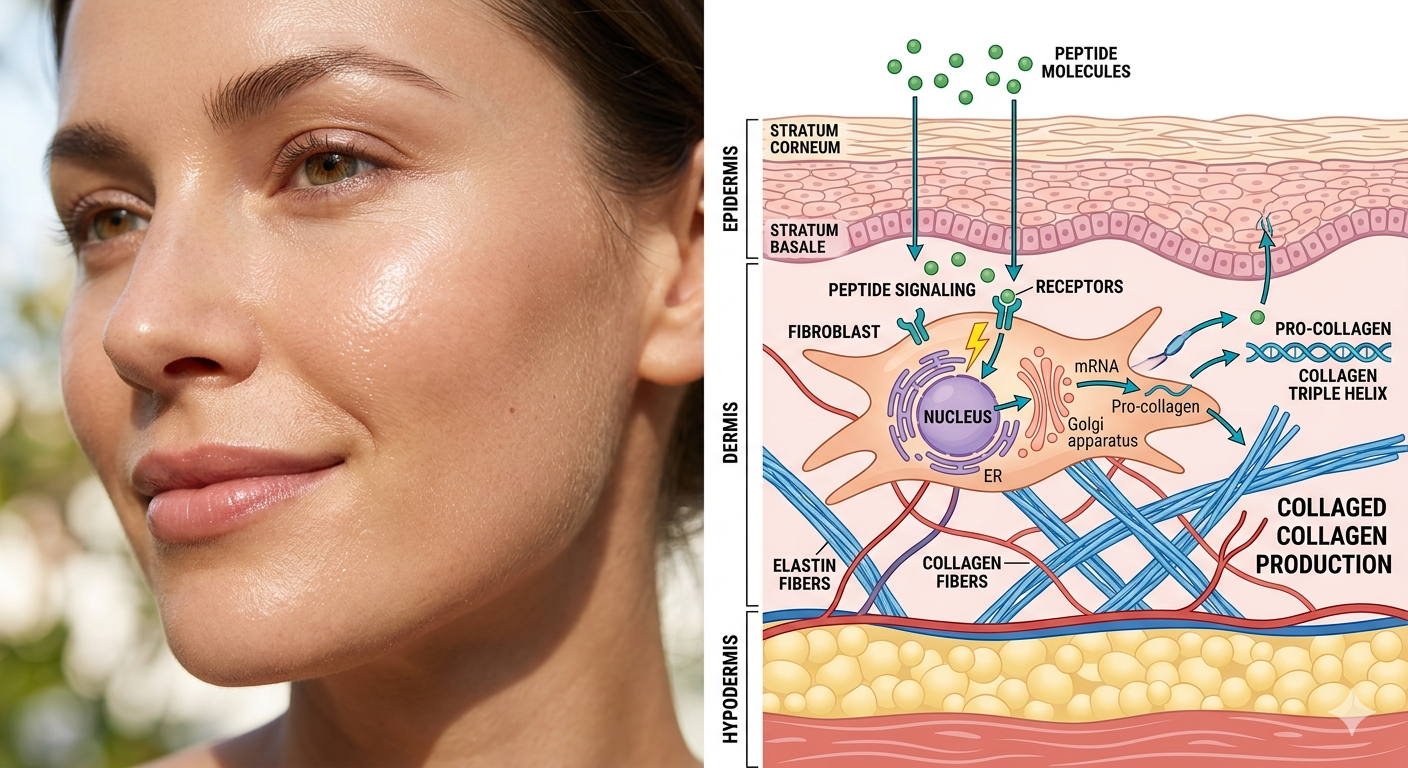
Introduction
If you’ve browsed skincare products in the last few years, you’ve probably noticed the word peptides appearing everywhere. From luxury anti-aging creams to affordable serums, peptides are often marketed as the secret ingredient for smoother, firmer, younger-looking skin. But do they actually live up to the hype?
The answer is more nuanced than most marketing campaigns suggest.
Unlike trendy ingredients that gain popularity before science catches up, peptides have attracted significant scientific interest because they are naturally involved in how skin repairs itself. Researchers have spent decades investigating whether topical peptides can stimulate collagen production, improve skin barrier function, and reduce visible signs of aging.
Many people wonder whether peptides are genuinely effective or simply another expensive skincare trend. The reality lies somewhere in between. Some peptides have impressive clinical data behind them, while others rely more on theoretical benefits than robust evidence.
In this article, we’ll examine the biology behind peptides, review the most important clinical studies, separate marketing claims from scientific reality, and explain how to use peptide-containing products effectively. By the end, you’ll understand what peptides can realistically do for your skin—and what they cannot.
Understanding the Science Behind Peptides
Peptides are short chains of amino acids, which are the building blocks of proteins. In the skin, proteins such as collagen, elastin, and keratin play essential roles in maintaining structure, firmness, elasticity, and hydration.
As we age, collagen production naturally declines. Research suggests that collagen levels decrease by approximately 1% per year after early adulthood. This gradual loss contributes to wrinkles, sagging skin, and reduced elasticity.
Here’s where peptides become interesting.
Think of peptides as biological messengers. Certain peptides can send signals to skin cells, essentially telling them to perform specific functions. Some peptides may encourage fibroblasts—the cells responsible for producing collagen—to increase collagen synthesis. Others may help reduce inflammation or support skin barrier repair.
One of the most widely studied categories is signal peptides, which mimic fragments of collagen. When the skin detects these fragments, it may interpret them as evidence of collagen breakdown and respond by producing more collagen.
Another category includes carrier peptides, which help deliver trace elements such as copper that are important for wound healing and tissue repair.
The concept gained scientific attention through studies involving palmitoyl pentapeptide-4, commonly known as Matrixyl. Researchers observed improvements in skin appearance after topical application, sparking widespread interest in peptide-based skincare.
A landmark study often cited in peptide research is:
Study Citation
Title: “Regulation of Collagen Synthesis by the Matrikine Peptide Pal-Lys-Thr-Thr-Lys-Ser”
Authors and Year: Robinson LR et al., 2005
Journal: International Journal of Cosmetic Science
Link: https://pubmed.ncbi.nlm.nih.gov/18492135/
Finding: Topical application of palmitoyl pentapeptide improved signs of photoaged skin and supported collagen-related skin improvements.
Importantly, peptides are not identical. Hundreds of different peptide molecules exist, each with unique properties. Therefore, evidence supporting one peptide cannot automatically be applied to all peptide-containing products.
This distinction is crucial because skincare marketing often treats “peptides” as a single ingredient category when the science is far more complex.
Deep Dive Into the Benefits
Improved Collagen Production and Skin Firmness
The most common claim associated with peptides is increased collagen production.
Collagen acts like the scaffolding that supports skin structure. As collagen declines, skin becomes thinner and less resilient. Certain signal peptides are designed to encourage fibroblasts to synthesize new collagen.
Scientific evidence suggests some peptide formulations can improve skin firmness and reduce wrinkle depth.
Study Citation
Title: “A New Pentapeptide Stimulates Collagen Production and Reduces Wrinkles”
Authors and Year: Katayama et al., 2004
Journal: Journal of Cosmetic Dermatology
Link: https://pubmed.ncbi.nlm.nih.gov/17177766/
Finding: Signal peptides stimulated collagen synthesis and produced visible anti-aging effects.
A separate study involving palmitoyl pentapeptide demonstrated measurable improvements in facial wrinkles after consistent use.
Expected timeline: Most users who respond to peptide products may notice subtle firmness improvements after 8–12 weeks of regular application.
However, despite the hype, peptides generally do not produce results as dramatic as cosmetic procedures or prescription retinoids. Their effects tend to be gradual and cumulative.
Reduction in Fine Lines and Wrinkles
Wrinkle reduction is perhaps the most heavily marketed peptide benefit.
Certain peptides work indirectly by encouraging collagen production, while others function through mechanisms resembling mild neuromuscular relaxation.
One example is acetyl hexapeptide-8, often marketed as “Botox in a bottle.” While this nickname is exaggerated, some research suggests it may reduce repetitive facial muscle contractions.
Study Citation
Title: “Anti-Wrinkle Effects of Acetyl Hexapeptide Formulations”
Authors and Year: Blanes-Mira et al., 2002
Journal: International Journal of Cosmetic Science
Link: https://pubmed.ncbi.nlm.nih.gov/18498449/
Finding: Acetyl hexapeptide demonstrated potential wrinkle-reducing activity through neurotransmitter modulation.
The key word is “potential.”
Current evidence suggests topical peptides can improve the appearance of fine lines, but they cannot replicate injectable neuromodulators.
Most clinical improvements become visible after approximately 2–3 months of consistent use.
Enhanced Skin Barrier Function
One of the most underrated peptide benefits involves skin barrier support.
Your skin barrier acts as a protective shield against moisture loss, pollution, irritants, and environmental stressors. When compromised, symptoms such as dryness, redness, and sensitivity often appear.
Some peptides appear to support skin repair processes and improve overall resilience.
Study Citation
Title: “Copper Tripeptide-1 and Skin Remodeling”
Authors and Year: Pickart and Margolina, 2018
Journal: Journal of Biomaterials Science
Link: https://pubmed.ncbi.nlm.nih.gov/29763087/
Finding: Copper peptides supported tissue repair and improved skin regeneration mechanisms.
Copper peptides have attracted particular interest because they may enhance wound healing pathways while supporting extracellular matrix remodeling.
Expected timeline: Improvements in hydration and barrier function may become noticeable within 4–8 weeks.
Improved Skin Texture and Recovery
Healthy skin constantly undergoes repair and renewal. Environmental factors such as UV exposure, pollution, and inflammation can slow these processes.
Several peptides appear to support cellular communication involved in skin recovery.
Study Citation
Title: “The Role of Bioactive Peptides in Skin Health”
Authors and Year: Gorouhi and Maibach, 2009
Journal: Clinics in Dermatology
Link: https://pubmed.ncbi.nlm.nih.gov/19524260/
Finding: Bioactive peptides demonstrated potential benefits in tissue repair and skin rejuvenation.
Users frequently report smoother skin texture and improved radiance after several weeks of peptide use.
A realistic timeline for texture improvements is typically 6–12 weeks.
How to Use Peptides Effectively
Peptides are generally easy to incorporate into a skincare routine.
The most effective approach starts with cleansing. After washing your face, apply a peptide serum to slightly damp skin. Follow with moisturizer to reduce water loss and support penetration.
Most commercially available peptide products do not disclose exact concentrations because manufacturers often use proprietary blends. However, research-backed formulations frequently contain peptides in concentrations ranging from 1% to 10%.
Frequency matters more than intensity.
Daily use, once or twice per day, is usually recommended. Consistency over several months produces better results than sporadic use.
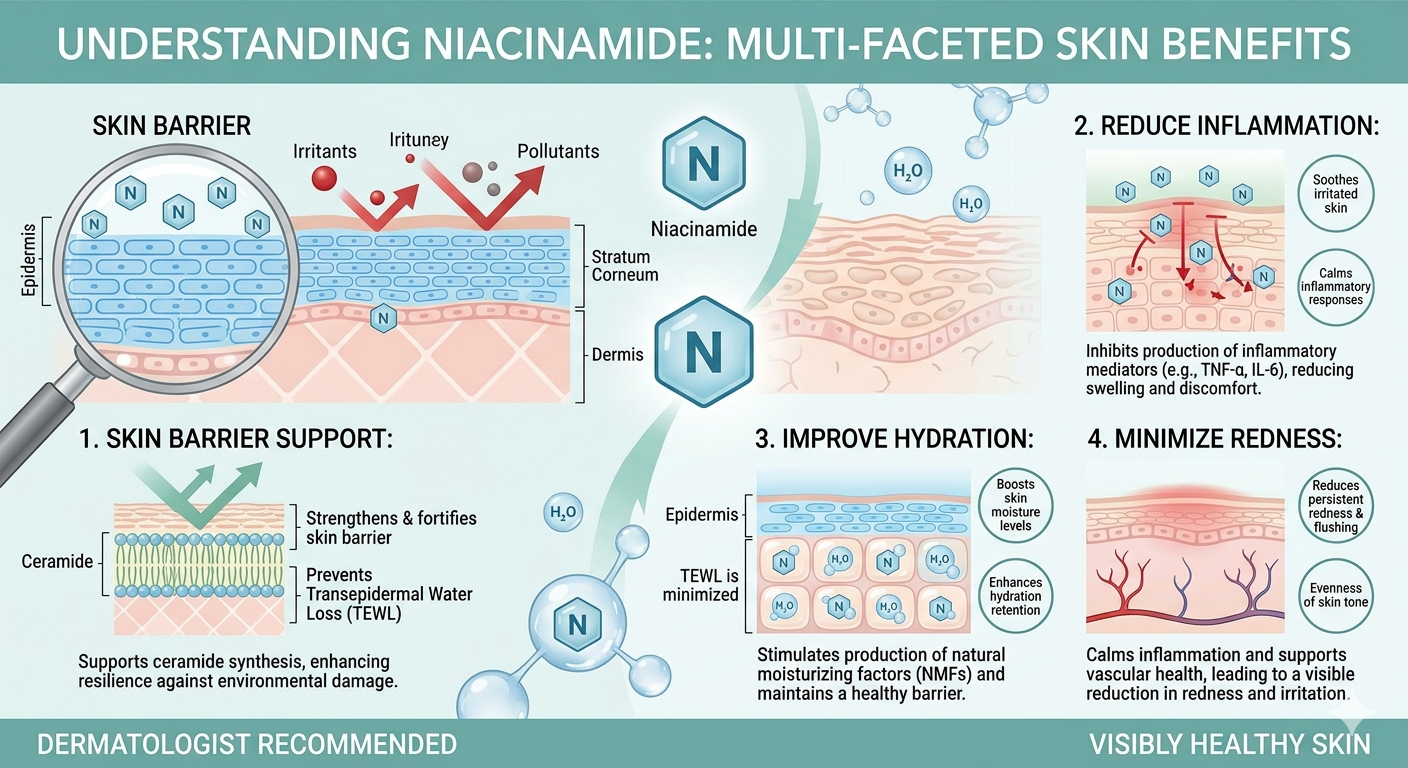
Peptides pair particularly well with ingredients such as niacinamide, hyaluronic acid, ceramides, and antioxidants like vitamin C. These combinations can address multiple aspects of skin aging simultaneously.
One area of debate involves combining peptides with strong exfoliating acids. Earlier concerns suggested low-pH acids might destabilize certain peptide formulations. Modern formulations are generally more stable, though some dermatologists still recommend separating strong acid treatments and peptide products if irritation occurs.
Potential side effects are usually mild. Most users tolerate peptides well, making them attractive alternatives for individuals who struggle with retinoid irritation.
However, allergic reactions remain possible. Signs may include redness, itching, or irritation.
People with highly sensitive skin should patch-test new peptide products before applying them to the entire face.
Those with active eczema, severe rosacea, or significant inflammatory skin conditions should consult a dermatologist before introducing new active ingredients.
One common mistake people make is expecting peptide products to deliver overnight transformations. Peptides are long-term skincare ingredients. Patience is essential.
From my perspective, peptides work best as part of a broader skincare strategy rather than as a miracle solution. If someone already uses sunscreen consistently and maintains a healthy skincare routine, peptides may provide meaningful incremental improvements.
Common Myths vs Facts
Myth 1: Peptides Instantly Boost Collagen
This misconception stems from marketing language.
Collagen synthesis is a slow biological process. Even if peptides stimulate fibroblasts, visible improvements require weeks or months. Clinical studies consistently show gradual rather than immediate changes.
Myth 2: All Peptides Are Equally Effective
Research strongly disagrees.
Different peptides have different mechanisms. Evidence supporting copper peptides cannot automatically validate every peptide ingredient on the market.
The effectiveness depends heavily on peptide type, formulation quality, stability, and delivery system.
Myth 3: Peptides Are Better Than Retinoids
There is little evidence supporting this claim.
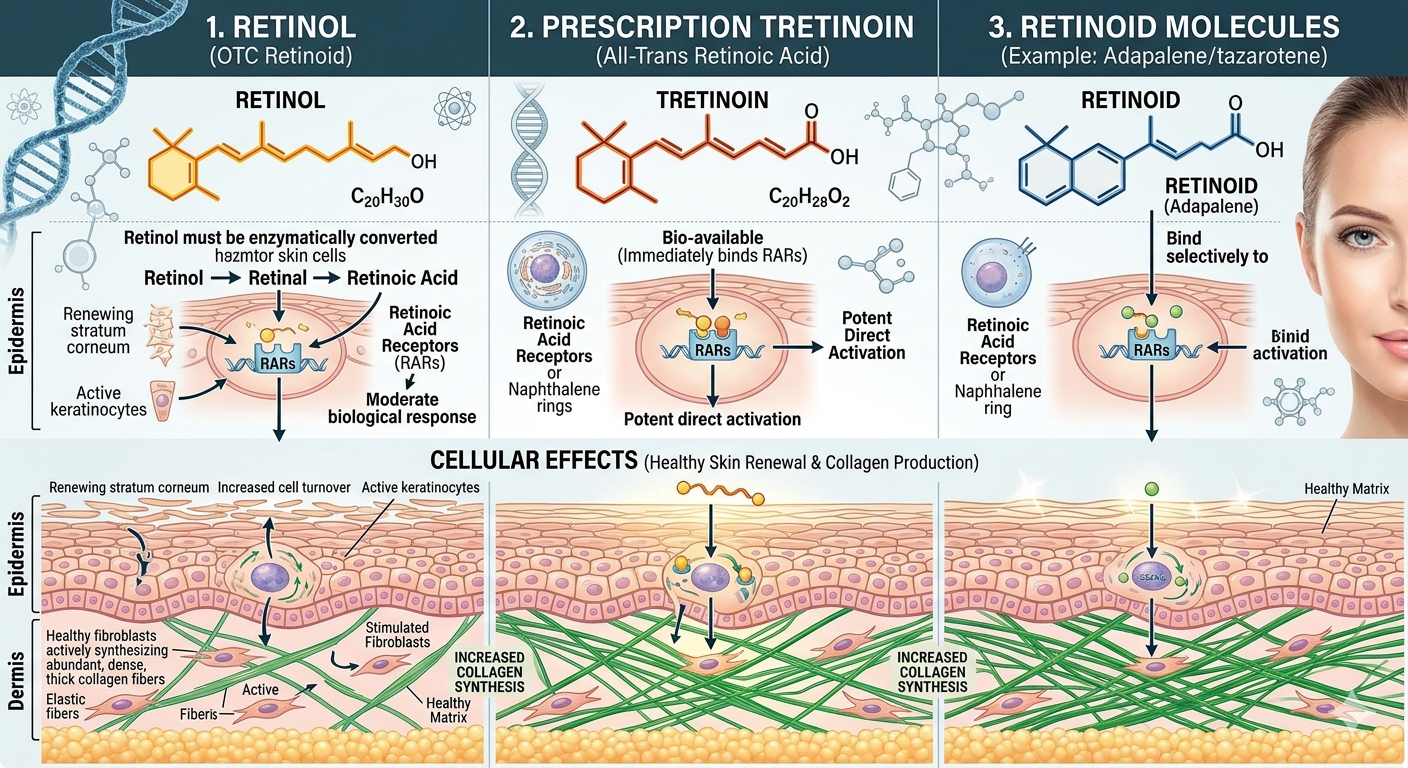
Retinoids remain among the most extensively researched anti-aging ingredients in dermatology. Peptides may complement retinoids but generally should not be viewed as direct replacements.
Myth 4: Higher Concentrations Always Mean Better Results
Not necessarily.
Some signaling pathways become saturated. Beyond a certain point, increasing concentration may not produce proportionally greater benefits.
Research suggests formulation quality and ingredient stability often matter more than simply increasing peptide percentages.
You might have heard that peptides are “the future of skincare.” While they are certainly promising, the strongest evidence supports them as supportive ingredients rather than revolutionary breakthroughs.
Comparison Table: Different Types of Peptides
| Type | Effectiveness | Cost | Best For | Caution |
|---|---|---|---|---|
| Signal Peptides (Matrixyl) | High | Moderate | Wrinkles, firmness | Results require consistency |
| Copper Peptides | Moderate to High | Higher | Repair, barrier support | May irritate very sensitive skin |
| Neurotransmitter Peptides (Argireline) | Moderate | Moderate | Expression lines | Effects generally subtle |
| Carrier Peptides | Moderate | Moderate | Skin regeneration | Evidence still evolving |
| Enzyme-Inhibitor Peptides | Emerging | Variable | Elasticity support | Limited clinical data |
Expert Insights and Clinical Study Review
Dermatologists generally view peptides as valuable adjunctive skincare ingredients rather than miracle solutions.
According to experts from organizations such as the American Academy of Dermatology, anti-aging skincare should focus on evidence-based practices, including sunscreen use, moisturization, and proven active ingredients. Peptides can complement these approaches.
One frequently cited study investigated palmitoyl pentapeptide in photoaged skin.
Study Citation
Title: “Topical Palmitoyl Pentapeptide Provides Improvement in Photoaged Human Facial Skin”
Authors and Year: Robinson LR et al., 2005
Journal: International Journal of Cosmetic Science
Link: https://pubmed.ncbi.nlm.nih.gov/18492135/
Finding: Participants experienced measurable improvements in skin texture and wrinkle appearance.
Another notable area involves copper peptide research.
Study Citation
Title: “Copper Peptide in Skin Regeneration and Repair”
Authors and Year: Pickart and Margolina, 2018
Journal: Journal of Biomaterials Science
Link: https://pubmed.ncbi.nlm.nih.gov/29763087/
Finding: Copper peptides demonstrated biological activity associated with tissue repair and remodeling.
Ongoing research is exploring advanced delivery systems, peptide combinations, and synthetic biomimetic peptides designed to target specific aging pathways more precisely.
For readers interested in reviewing primary research, valuable resources include PubMed Database and the National Center for Biotechnology Information (NCBI).
Medical Disclaimer
Medical Disclaimer: This article is for educational purposes only. It is not medical advice. Always consult a dermatologist or healthcare professional before starting new skincare treatments, especially if you have sensitive skin, active skin conditions, or are pregnant/nursing.
Conclusion
So, do peptides actually work?
Based on current scientific evidence, the answer is yes—but with important caveats.
Certain peptides have demonstrated measurable benefits in clinical studies, particularly for collagen support, wrinkle reduction, skin barrier function, and overall skin quality. However, the effects are generally modest, gradual, and highly dependent on formulation quality and consistent use.
Despite the hype, what actually matters most is not whether a product contains peptides, but which peptides it contains, how they are formulated, and whether they are supported by credible research. Peptides should be viewed as one piece of a comprehensive skincare strategy rather than a standalone solution.
The strongest anti-aging routine still includes daily sunscreen use, proper moisturization, and evidence-based active ingredients. When combined with these fundamentals, peptides may offer meaningful improvements in skin appearance and resilience over time.
If you’re considering adding peptides to your routine, choose products from reputable manufacturers, set realistic expectations, and consult a dermatologist if you have specific skin concerns. Science suggests peptides can help—but patience and consistency remain the real secret ingredients.